
7 Product Photography Lighting Techniques for High-End Ecommerce Images
At Nashbox Studios, we've photographed everything from HVAC systems and sporting goods to consumer products, retail packaging, and lifestyle campaigns. Over the years, we've learned that great product photography rarely comes down to having the most expensive camera.
More often, success comes down to three things: lighting, composition, and consistency.
Lighting is the foundation of every successful product image. It influences how customers perceive quality, materials, texture, and value. The same product can appear premium, approachable, rugged, luxurious, or technical depending on how it is lit and presented.
But great product photography is not only about making a product look fantastic. It's also about helping customers build their opinion about the product's impact in their lives.
A bright, airy image may communicate comfort and family. A dramatic image with stronger shadows may communicate performance and durability. Every lighting decision contributes to the story being told.
In this guide, we'll explore seven product photography lighting techniques that can help create cleaner, more professional ecommerce images while also supporting brand storytelling.
What Makes a Product Photo Look Premium?
A high-quality product image does more than document a product. It communicates quality, craftsmanship, and trust before a customer reads a single word of product copy.

Premium product photography is a science as well as an art.
Professional product photography typically shares several characteristics:
Clear Shape and Depth: Lighting should define the contours of a product without flattening its form.
Accurate Color: Materials, finishes, and packaging should appear true to life.
Controlled Shadows: Shadows should add depth without distracting from the product itself.
Clean Highlights: Reflections should enhance materials and finishes rather than create glare.
Visible Texture: Lighting should reveal important details such as stitching, grain, brushed metal, or surface finishes.
Consistency: Products should maintain a consistent visual style across catalogs, ecommerce platforms, and marketing materials.
The following techniques are used by professional product photographers to create that polished look.
1. Use Soft Light as Your Foundation
Soft light is the starting point for most professional product photography.
By diffusing the light source, shadows become smoother and highlights become more controlled. This helps reveal shape, texture, and color without creating harsh transitions.
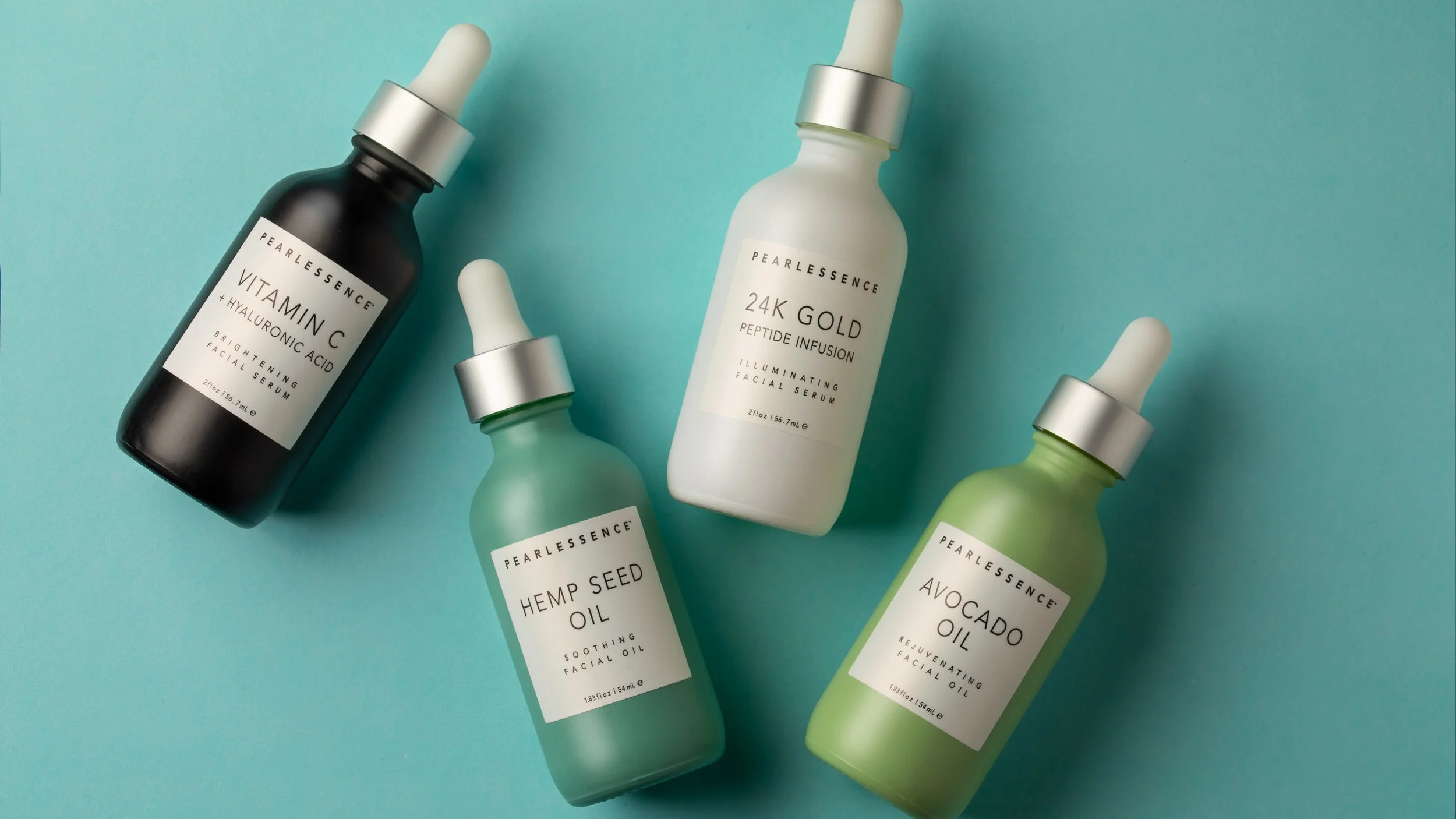
Soft Light works particularly well for skincare products.
Soft lighting works particularly well for:
Skincare products
Apparel
Consumer packaged goods
Food products
Handmade items
Ecommerce catalog photography
A simple soft-light setup can be created using a softbox, diffuser, umbrella, or even window light filtered through a sheer curtain.
As a general rule, the larger the light source appears relative to the product, the softer the shadows will be.
2. Use Side Lighting to Reveal Shape and Texture
Once a soft foundation has been established, side lighting can be used to add depth and texture.
By positioning the light to the left or right of the product, subtle shadows reveal details that would otherwise be lost.
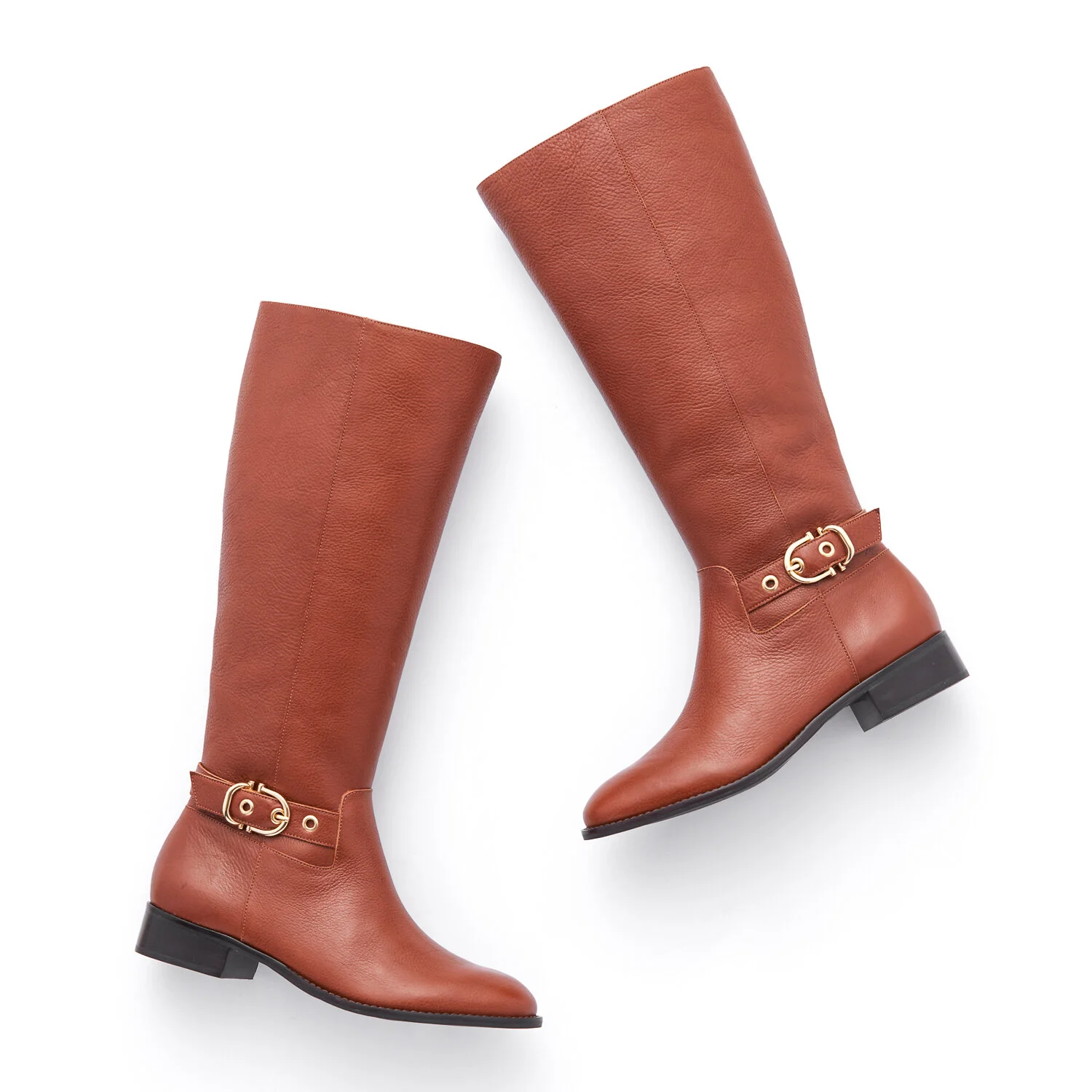
While subtle, the boots are lit with side lighting to enhance their shape and texture.
This technique works especially well for:
Leather products
Apparel
Shoes
Packaging
Wood products
Handmade goods
Side lighting helps customers understand the physical qualities of a product. Fabric weave, stitching, wood grain, and surface textures become much more apparent.
A reflector placed opposite the light source can be used to soften shadows while preserving contrast.
3. Use Backlighting for Glass and Transparent Products
Glass, liquids, and transparent packaging often require a different approach.
Front lighting can make these products appear flat and lifeless. Backlighting allows light to pass through the material, revealing shape, color, and internal details.
Backlighting works well for:

Backlighting is essential for lighting items like beverage containers.
Perfume bottles
Beverage containers
Skincare packaging
Glassware
Acrylic products
The technique often requires careful control using white cards, black cards, and diffusers to create clean edges and prevent the product from blending into the background.
Even after years of experience, glass and reflective products remain some of the most challenging items to photograph.
4. Control Reflections on Shiny and Metallic Products
Shiny products don't just reflect light. They reflect everything around them.
Glass, chrome, polished metals, watches, and glossy packaging can quickly become difficult to photograph because reflections reveal the environment, camera, and lighting equipment.
At Nashbox Studios, we've developed specialized lighting and retouching techniques for reflective products over many years of commercial photography work.
The goal is not to eliminate reflections entirely.
The goal is to control them.
Large diffused light sources, reflection cards, black flags, and careful positioning allow photographers to create clean highlights that communicate material quality without creating distracting glare.
5. Use Shadows to Create Depth
Many people try to eliminate shadows entirely. In reality, shadows are essential. Without shadows, products often appear as though they are floating on the page. Controlled shadows help anchor the product and create realism.
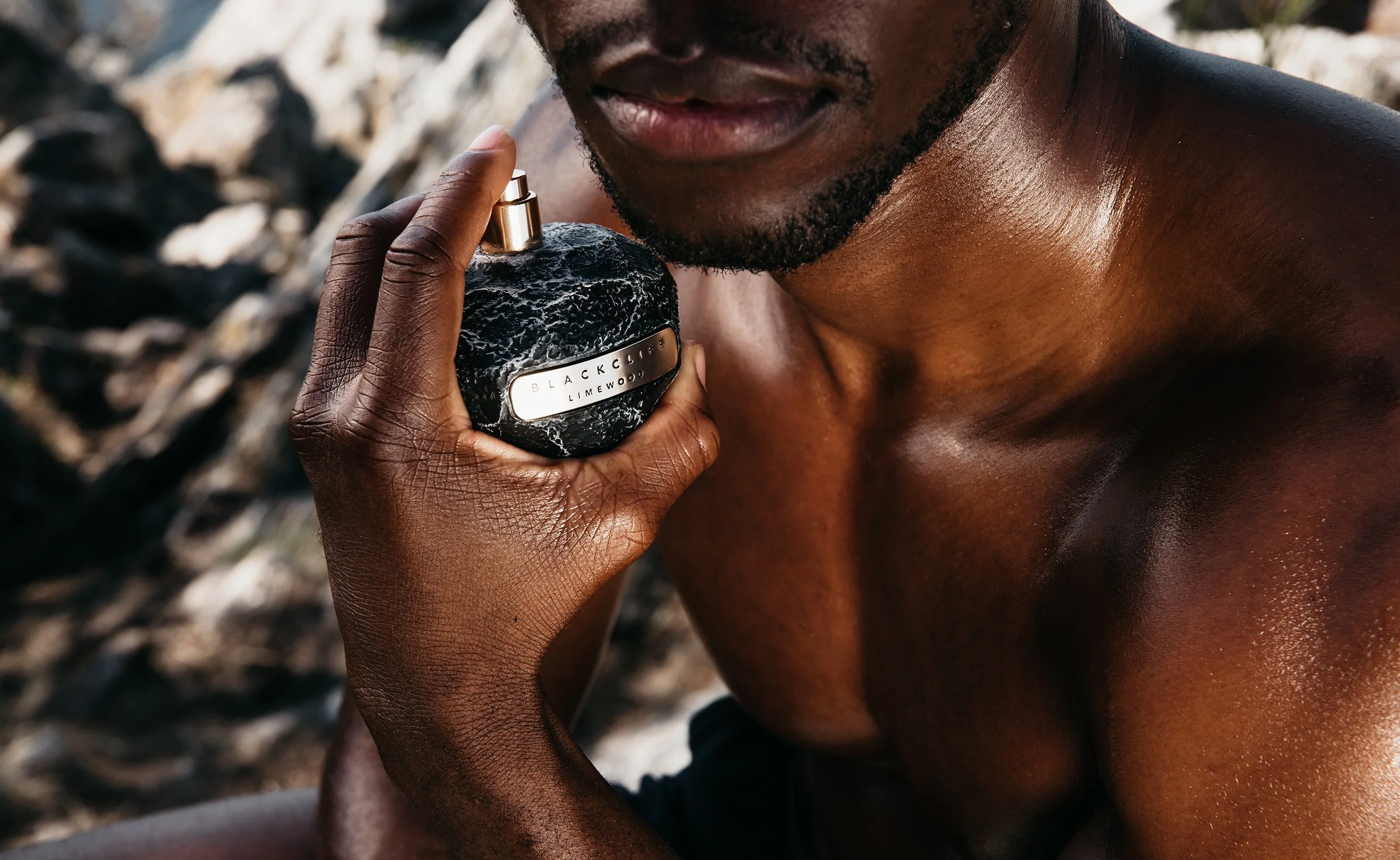
Harsh shadows can create contrast that emphasizes features of a product
Different products benefit from different shadow styles:
Soft shadows for cosmetics and skincare
Reflection shadows for luxury products
Harsh shadows to accentuate features
The key is consistency.
For large ecommerce catalogs, maintaining a consistent shadow style is often more important than making every individual image unique.
6. Keep Color Temperature Consistent
Few things damage product credibility faster than inaccurate colors. Customers expect products to look the same online as they do in person. Mixed lighting sources often create unwanted color shifts.
A professional workflow typically involves:
Consistent lighting sources
Controlled white balance
Color calibration tools
Standardized editing workflows
These processes help ensure that product colors remain accurate across websites, catalogs, marketplaces, and advertising materials.
7. Use Lighting to Support Brand Storytelling
This is where product photography moves beyond technical execution.
Different brands require different visual approaches. For example, when photographing lifestyle content for Mr Cool, we intentionally created bright, airy lighting that reinforced the feeling of comfort, family, and home.
For BlackCliff, the goal was very different. Strong sunlight, beach environments, and harder shadows helped communicate an outdoor lifestyle and a sense of adventure.
For Body & Ballet, early morning-inspired lighting helped reinforce themes of wellness, fitness, and healthy routines.
The lighting itself became part of the brand story.
This is why there is no single "correct" lighting setup. The right lighting depends on the product, audience, and emotional response the brand wants to create.
The Role of AI in Product Photography
Artificial intelligence is already changing how product imagery is created, but its impact is often misunderstood.
In some situations, AI can replace traditional photography. For certain products and marketing applications, AI-generated imagery may be sufficient and can significantly reduce production costs. In other situations, AI works best as a complementary tool.
We increasingly see workflows that combine photography, 3D rendering, AI-generated environments, compositing, and retouching.
For example, AI can be useful for:
Concept development
Environment generation
Background creation
Image enhancement
Content variation
At the same time, traditional photography continues to provide advantages when accuracy, material representation, brand consistency, and product authenticity are critical.
A few years from now, some companies will create product imagery entirely with AI. Others will continue to rely on traditional photography. Most brands will likely adopt a hybrid approach that combines photography, 3D rendering, AI, and retouching depending on the product, budget, and marketing objective.
The most effective solution is rarely about choosing one technology over another. It's about selecting the right combination of tools to communicate the product effectively.
What’s Right For Your Business?
The best product photography is not created by lighting alone. It is the combination of lighting, composition, styling, and consistency working together to shape perception. For lifestyle photography projects, every image may require a unique visual approach. For large ecommerce catalogs, consistency often becomes equally important. Whether you're creating content through photography, 3D rendering, AI-assisted workflows, or a combination of all three, the goal remains the same: Help customers understand the product, imagine it in their lives, and feel confident in their purchasing decision.
If you're planning a product launch, refreshing an ecommerce catalog, or building new marketing assets, Nashbox Studios can help with product photography, lifestyle photography, product renderings, and product animation tailored to your brand and audience.