
Building product manufacturers face a unique marketing challenge. Their products often need to be shown in realistic environments before they are manufactured, installed, or photographed. Whether it's a new tile collection, fencing system, lighting solution, or architectural product, creating traditional photography for every product variation can be expensive, time-consuming, and difficult to scale.
This is why many manufacturers are turning to 3D renderings and product animation. These technologies make it possible to showcase products in realistic environments, visualize custom configurations, and explain complex assemblies without the cost and limitations of traditional photography.
Here are five ways building product manufacturers are using 3D visualization to improve sales and marketing.
1. Visualize New Product Lines Before They Exist
Launching a new product often requires marketing materials before physical samples are available.
Using 3D renderings, manufacturers can create photorealistic imagery directly from CAD models, engineering drawings, or product specifications. This allows marketing teams to begin developing catalogs, websites, advertisements, and sales materials long before production begins.
For manufacturers introducing multiple product variations, 3D visualization can significantly reduce the time and cost associated with traditional photography.
2. Create Unlimited Lifestyle Scenes Without Building Physical Sets

Product renderings are a great option for building products manufactureres like Mincey Marble.
One of the biggest advantages of 3D rendering is the ability to place products into realistic environments.
For Mincey Marble, Nashbox Studios helped create bathroom visualizations showcasing various tile and shower products. Rather than building and photographing a new bathroom for every product launch, we photographed the tile materials and transformed them into digital assets that could be applied to 3D bathroom models.
This approach allowed the client to create numerous bathroom designs, finishes, and product combinations without constructing physical sets or scheduling repeated photoshoots.
The result was a scalable system for producing marketing imagery while maintaining visual consistency across the entire product line.
3. Expand Product Catalogs More Efficiently
Many building product manufacturers offer hundreds of product configurations.

For a high volume manufacturer of building products like Peak Products, 3D product visualization is a viable option to creating marketing collateral.
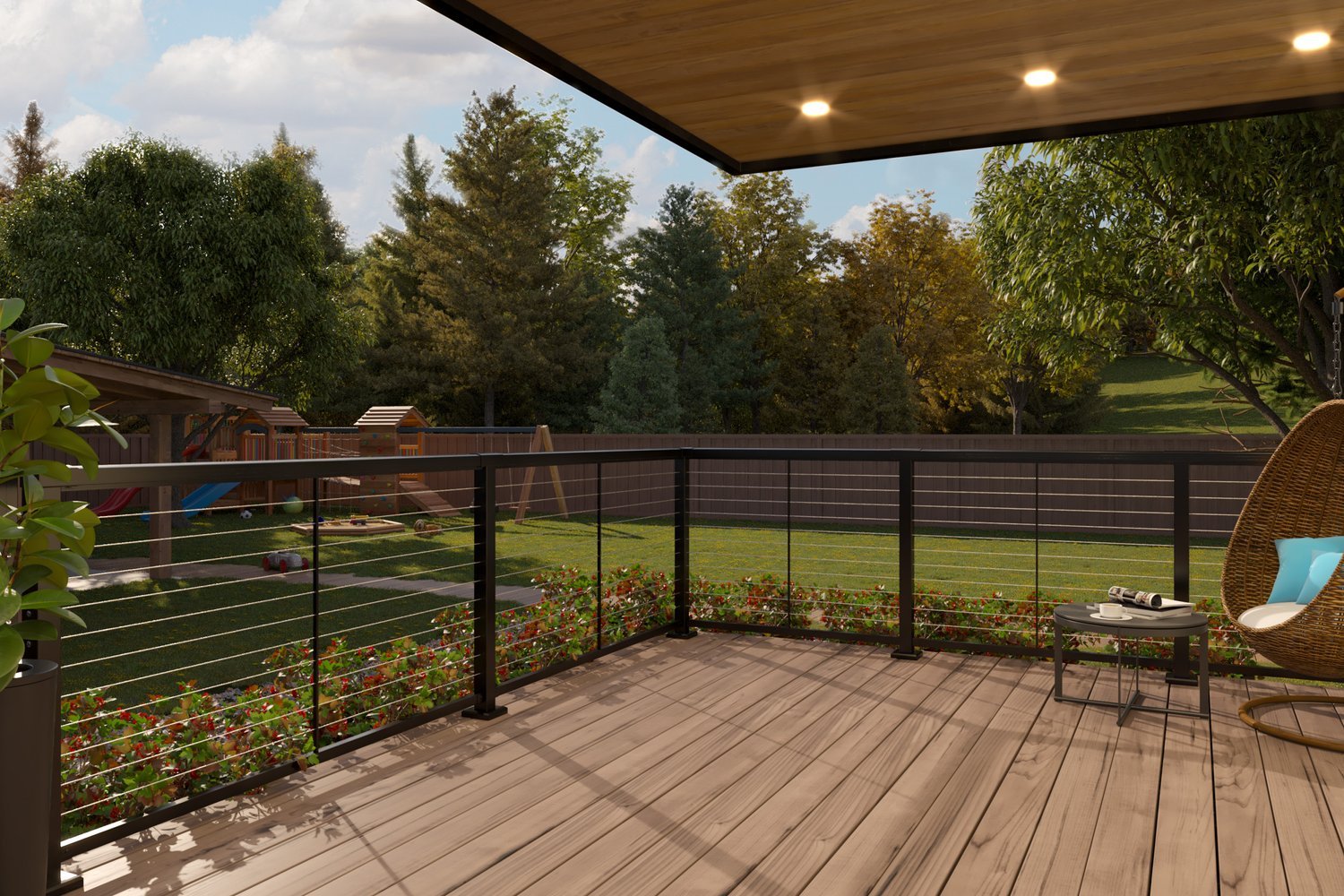
For Peak Products, a supplier of fencing and outdoor living products sold through Home Depot, traditional photography would have required significant time and expense to capture every product variation.
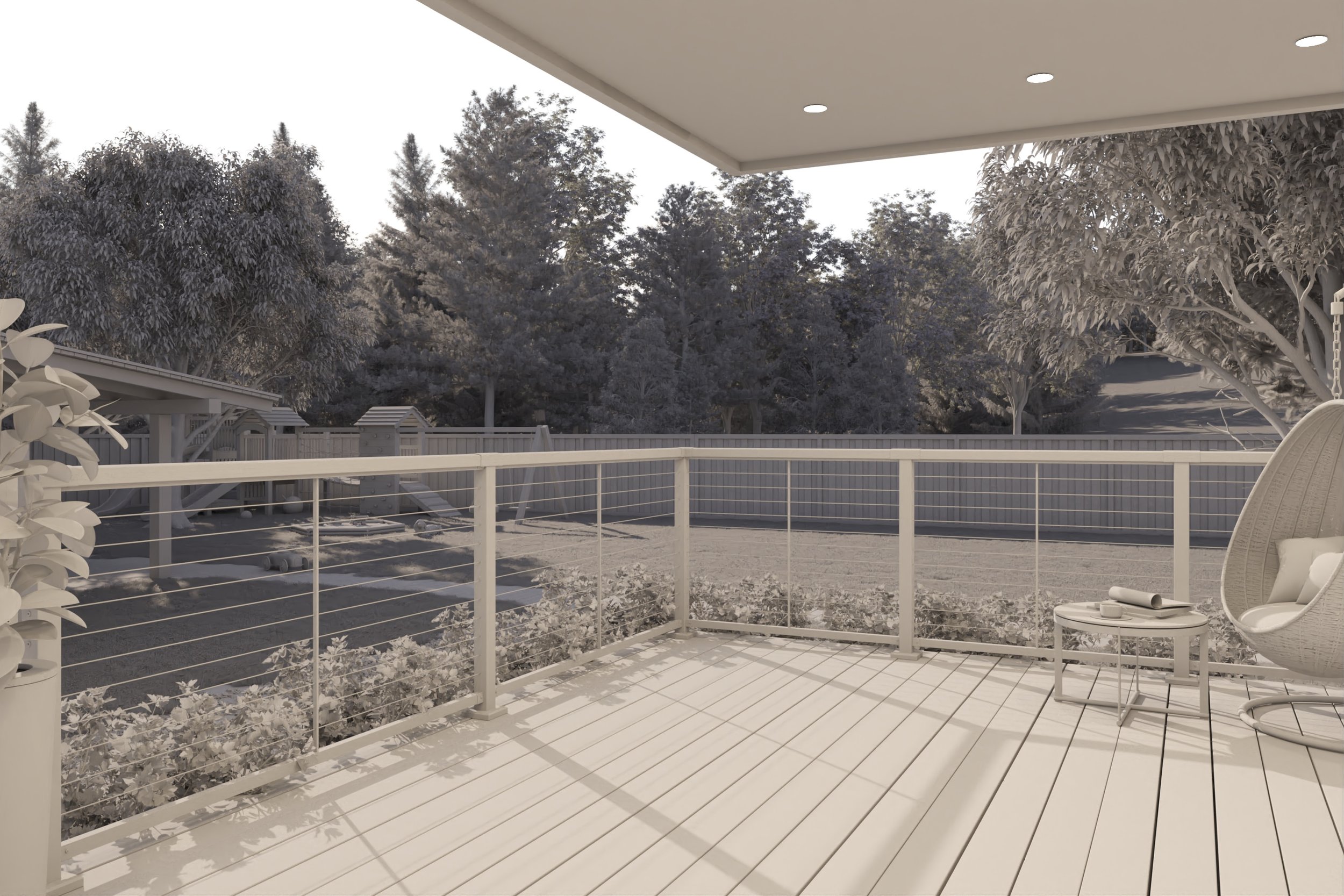
Instead, Nashbox Studios created 3D renderings of the products and composited them into realistic outdoor environments. AI-assisted workflows helped generate suitable backgrounds, allowing new product images to be created quickly and consistently.
This process provided a cost-effective way to expand the product catalog while maintaining a high-quality visual standard.
Lighting product manufacturers can benefit by using 3D product animation to demonstrate their products event before they are launched commercially.
4. Explain Complex Products Through Animation
Some building products are difficult to understand through static images alone.
Assembly methods, internal components, installation procedures, and engineering details are often hidden from view.
For Cool Edge Lighting, Nashbox Studios developed a product animation for the Skyline Illumination System. The challenge was to communicate how multiple components come together to form the finished ceiling lighting system.
Through animation, viewers could see each component assemble into place, creating a much clearer understanding of the product's design and functionality. The animation was later integrated into a live-action marketing video to support sales and promotional efforts.
For complex building products, animation can often communicate information more effectively than traditional photography.
5. Reduce Marketing Costs While Increasing Content Production

Cost reduction is one of the several benefits 3D rendering technology offers.
One of the most significant benefits of 3D visualization is reusability.
Once a product has been modeled, manufacturers can generate:
Product renderings
Lifestyle imagery
Product animations
Assembly animations
Installation visuals
Trade show graphics
Website content
Catalog imagery
from the same digital assets.
Rather than organizing repeated photoshoots, companies can continue creating new marketing content using existing 3D models.
This approach often reduces production costs while increasing the amount of content available to sales and marketing teams.
The Future of Building Product Marketing
As product catalogs become larger and customization options continue to expand, 3D product renderings and product animation are becoming essential marketing tools for building product manufacturers.
Whether the goal is launching new products, creating catalog imagery, explaining complex assemblies, or generating content at scale, 3D visualization provides a flexible and efficient solution.
At Nashbox Studios, we help manufacturers transform technical products into compelling visual experiences through product animation, architectural visualization, and photorealistic 3D renderings.